Order size matters.
Case count and weekly volume affect landed cost and allocation priority.

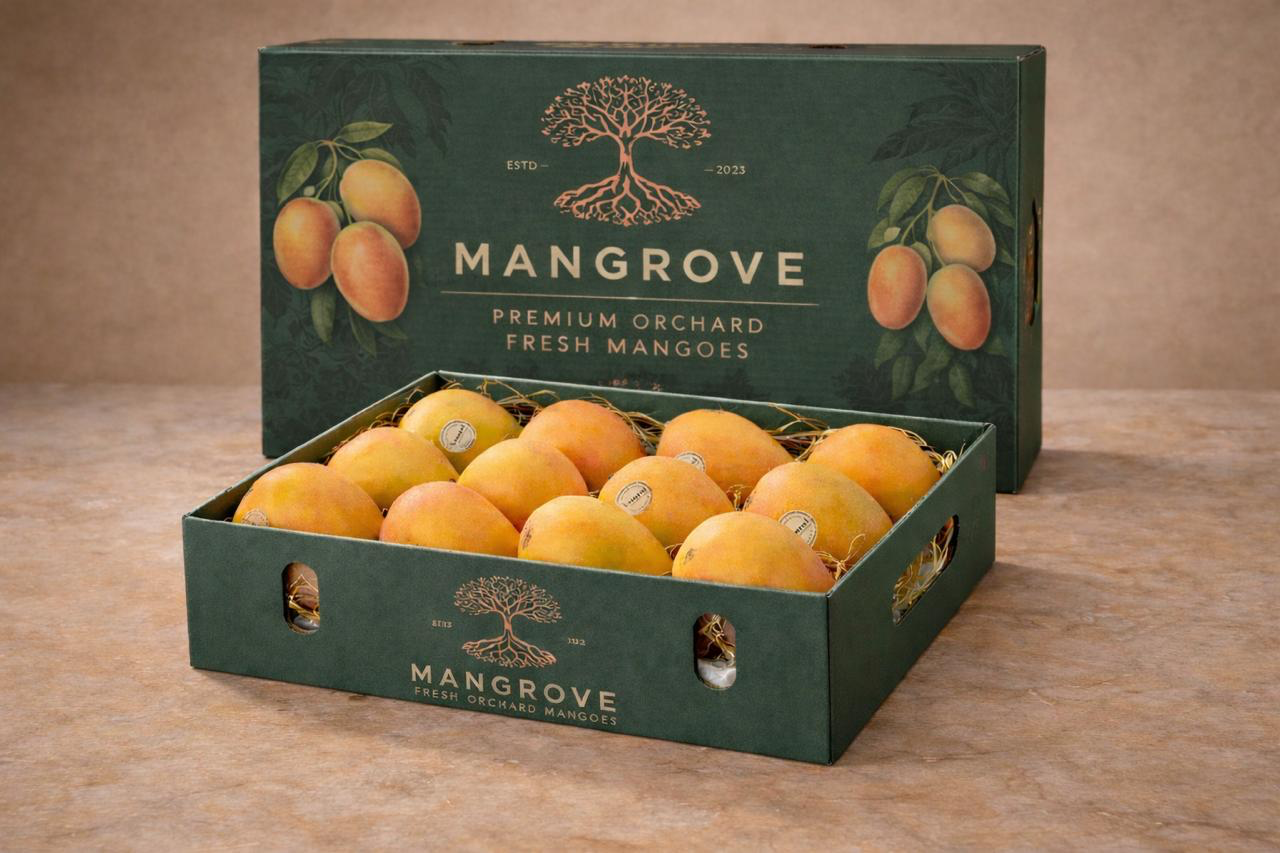
100% satisfaction with mangoes and service. Alphonso, Kesar, Dasheri & Langra programs — shipped to all 50 US states and Canadian provinces from our NYC/NJ head office.
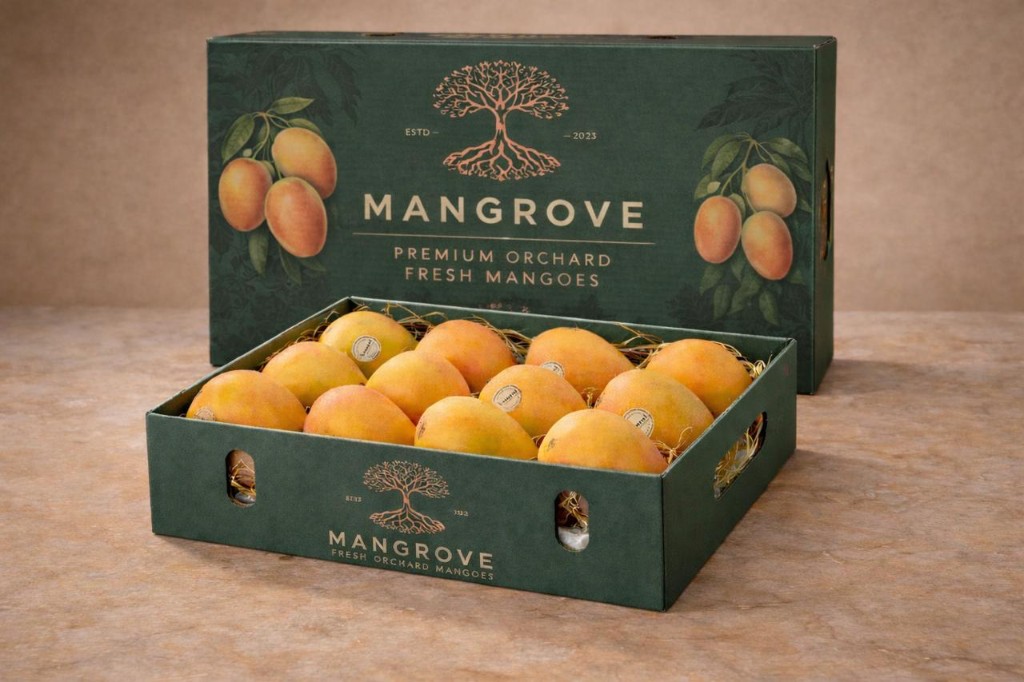 4 premium varieties
Indian mango demand is concentrated and time-sensitive. Mangrove is built for buyers who care about authentic origin, clean paperwork, clear communication, and product routed quickly after US receiving.
Early buyers receive priority access as shipments scale through the season.
Case programs for specialty retailers and volume conversations for wholesale buyers.
Rates depend on variety, pack size, landed timing, order quantity, and terms.
Public pricing can create confusion because mango costs move with freight, treatment, volume, and timing. Qualified buyers receive a clear quote after we confirm order needs.
Case count and weekly volume affect landed cost and allocation priority.
Availability and freight can change by harvest window and shipment week.
Delivery point, payment structure, and channel are confirmed before price.
Seasonal programs for wholesale distributors, grocers, and specialty buyers across the USA and Canada.
Saffron flesh · premium gifting
Rich color · retail favorite
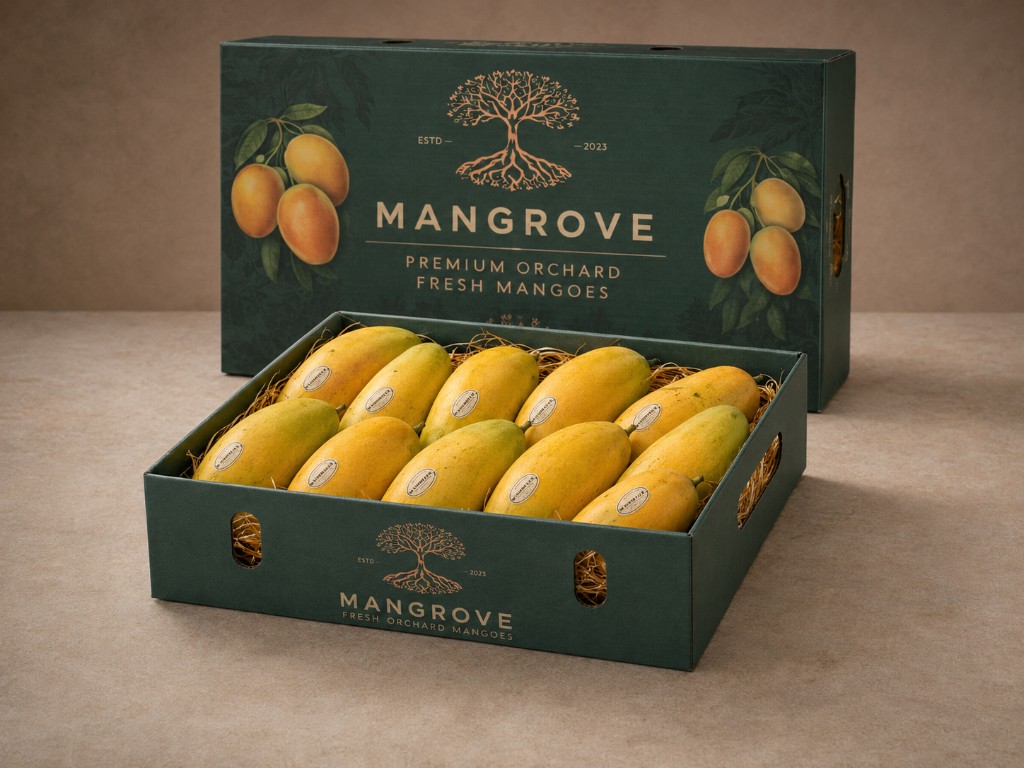
Honey-sweet · North Indian staple
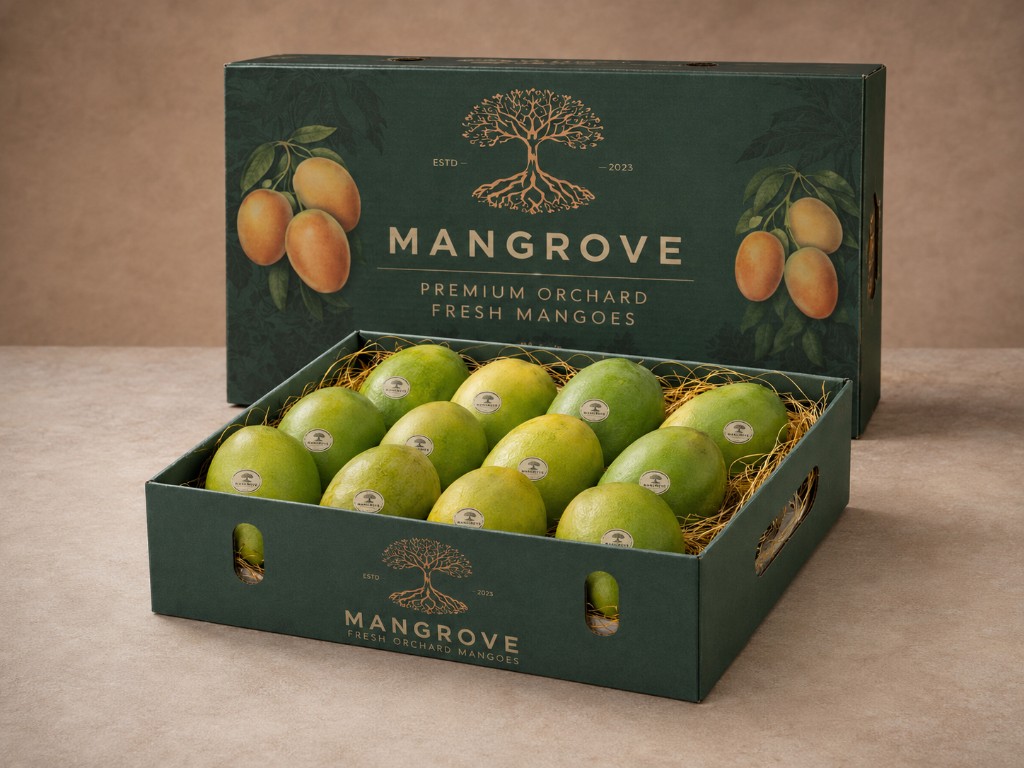
Tangy-sweet · volume retail
Orchard fruit, ready-to-eat packs, and seasonal specialty items for qualified wholesale and retail buyers.

Premium orchard dragon fruit for retail shelves and gifting programs.

Premium orchard guavas, foam-sleeve packed for clean arrival and display.

Premium orchard green grapes, wood-wool packed for transit and shelf life.

Premium orchard black grapes for volume retail and seasonal promotions.

Whole premium orchard pomegranates for wholesale and specialty retail.

Ready-to-eat pomegranate arils. Fresh, juicy, and ideal for grab-and-go retail.

Ready-to-eat pomegranate arils in a larger retail pack for repeat buyers.

Fresh, ready-to-eat coconut cuts. A refrigerated SKU for deli and specialty retail.
Mangrove Harvest grows from the 42+ year produce legacy of Super Sales Agro, founded in Delhi in 1982. Today, SSA handles over 65,000 MT of fruit and fresh produce annually.
Our main India team brings deep farmer relationships, mandi knowledge, quality judgment, packaging experience, and export preparation to every Mangrove program.
Mangrove helps qualified buyers develop private-label and retailer-exclusive produce programs, from product and pack-format selection through packaging coordination, export documentation, and delivery planning.
Choose produce, pack size, buyer channel, volume, and launch market.
Coordinate labeling, retail presentation, case configuration, and compliance needs.
Align production timing, import flow, delivery, and repeat-order planning.
A simple buyer path from India-side sourcing to US receiving and final buyer handoff.
Orchard and packhouse coordination through approved India partners.
Case pack, export paperwork, treatment scheduling, and buyer specs aligned.
Required checks completed before shipment release and US receiving plan.
Product routed to the buyer's US location after clearance and condition check.
Vaibhav and Karan work together across the complete program: Indian sourcing and product development, export preparation, North American buyer relationships, receiving coordination, and market growth.
